Monday, February 20, 2012

Commonwealth, Accidents, and Everything in Between


Ghost Riders*
I had been travelling the notably dangerous Commonwealth Avenue for four years now. And there’s one important thing I learned: THIS ROAD REALLY KILLS. It kills riders and street crossers. And even occasionally, it kills my time.

Early preparation for school does not necessarily mean I would arrive early in class. Well, the probability that I would is high, but there’s still that minute but always threatening likelihood that I would not. Nothing is impossible with Commonwealth, as they say. There are those predictable ‘regularities’: Rallies happen whenever government officials gather at Sandigang Bayan; Monday mornings, or whatever day it is after long break mean heavier traffic. And there are those common-yet-I-don’t-know-when-would-strike happenings: rallies against fare hikes and other social issues; unsystematic road constructions; accidents. Yes, even accidents are common.

They read, but they don't mind.**
There are but a few pedestrian crossings along this 12.5km- avenue, and there are too many overpasses. Some of which are apparently useless, as many undisciplined people prefer to take the for-their-eyes-only pedestrian lanes over the oh-so-tiring-to-climb and oh-so-nakakalula footbridges.  Those rude drivers make the scenario worse. Swerving unpredictably. Switching lanes anytime they wish to. Avoiding the Yellow Men and pressing themselves on the commuters. They choose to risk their own lives just so they could save time and energy. They trust their senses and skills to be accurate enough to get them through safely. What they are not much aware of is that a lot of times, what they thought of to be enough for them to get by is actually not enough. They are being deceived.

Perception of speed, as in perception of any other things, is biased. For one, it was found to be influenced by perceived contrast. When the things on the environment appear to move in approximately the same speed as the target (low-contrast), the target appears to be moving slower than it actually does. The opposite is true for high-contrast situations. However, in the study by Stocker & Simoncelli (2006), it was found that this contrast-induced bias was reduced when the speed of the moving target was at the high end. Still, the participants were unable to make sound judgments of the speeds at this range.

Looming and optical perceptions do provide help in speed judgments. In fact, Wann, Poulter & Purcell (2011) have shown that children’s less sensitivity to looming make them more prone to inaccurately detect a vehicle moving at speeds more than 25kph, especially when scene motion was out of central (extrafoveal) vision. Also at extrafoveal vision, even adults encounter difficulty detecting looming when the vehicle was laterally moving. Adults, compared to children, obviously made better judgments of vehicular speed. Nonetheless, it wasn't too accurate.

Generally, there is a tendency to underestimate speed (Conchillo, Recarte, Nunes & Ruiz, 2006). They have found that highway traffic increases the complexity of the speed estimation tasks, and that drivers reported moving at lower speed rates than they actually do. Same was the case for the non-drivers.


We rely on cues as we judge, but these cues go with a lot of noise. And oftentimes we don’t take a lot of time trying to be critical in interpreting them. We rely on our senses and abilities as we judge. We use our instincts. We use our past knowledge. We use our confidence in our past interpretations. Why not? It does, after all, save us a lot of time and spare us from further exhaustion. I remember my friend once told me, that if we take every detail of things too much, we would break down. I responded, if we don’t take every detail of some important things too much, we would die. Nonetheless, I know, and researches have repeatedly proven, that though we pay attention on certain things, details slip our consciousness. Paying attention to the cues does not guarantee accurate judgments. Neither survival. Because at any point, even your own senses and perceptions may deceive you.

People do not see 'reality' as it is. They make their own reality based on whatever is out there, and whatever is in them. Maybe a lot of times the discrepancy is not so huge, but at times even a small discrepancy could mean risking our own life. So I hope we choose the safer side, especially at Commonwealth.

Conchillo, A., Recarte, M. A., Nunes, L. & Ruiz, T., (2006). The Spanish Journal of Psychology, 9(1), 32-37.
Stocker A. A. & Simoncelli, E. P. (2006). Noise characteristics and prior expectations in human visual speed perception. Nature Neuroscience, 9 (4), 578- 585.
Wann, J. P., Poulter, D. R. & Purcell, C. (2011). Reduced sensitivity to visual looming inflates the risk posed by speeding vehicles when children try to cross the road. Psychological Science. DOI: 10.1177/0956797611400917


*Rivera, E. (Octover, 2011).  Down to one a week: Motorcycle accidents drop with MMDA's blue lane. Retrieved February 20, 2012 from http://www.noypi.ph/index.php/metro/5064-down-to-1-a-week%3A-motorcycle-accidents-drop-with-mmda%E2%80%99s-blue-lane.html
**Ahab, I. F. (July, 2011). Mayor Bistek is scarier than the MMDA sign. Retrieved  February 20, 2012 from http://theparadoxicleyline.blogspot.com/2011/07/mayor-bistek-is-scarier-than-mmda-sign.html

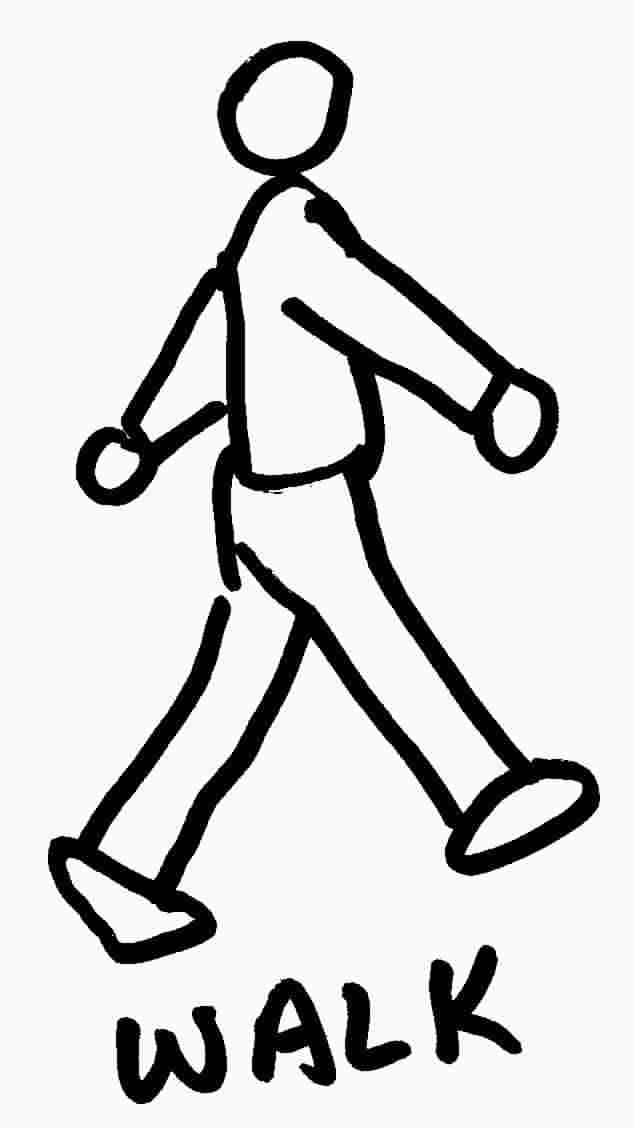
Kaliwa. Kanan. Kaliwa. Kanan.

Hindi naman ganoon kaganda ang tanawin. Pero bakit kaya masayang pakiramdam ang dala ng paglalakad-lakad sa lugar na ito?

Ah. Kasi kasama kita.

Nabalot ang bawat nadadaanan natin ng masayang kwentuhan at wagas na tawanan. Biruan at tuksuan nati’y walang tigil na para bang wala ng bukas. Sa katatawa ay napapalundag ako. Napapakandirit at napapaimbay pa nga ako sa tuwa imbes na maglakad lamang ng marahan gaya ng isang dalagang Filipina. Ikaw naman na walang humpay sa pagbitaw ng mga biro at banat ay pangiti-ngiti lang.  Sa buong oras na magkasama tayo’y ganito ang eksena. Hindi ko nga napansin na papalapit na tayo sa ating destinasyon, sa lugar kung saan tayo ay maghihiwalay.

Sa paglipas ng ilang minuto ay natanaw ko na ang maraming sasakyan. Ayan na, malapit na. Mga sapin sa paa nati’y tila bumibigat. Usad nati’y parang pagong sa bagal. At habang papalapit pa’y, pabagal ng pabagal ang lakad natin. Inaabot ng isang segundo ang bawat hakbang at tila ba hinihila paatras.


Bakit kaya ganito?

          Maraming pag-aaral na ang isinagawa tungkol sa pagkilos ng tao at kung paano ito naaapektuhan ng emosyon. Sa pag-aaral nina Stins, Roelofs, Villan, Kooijman, Hagenaars, & Beek (2011), sinasabing ang facial expressions bilang social cues ay maaaring magdulot din ng pagbabago sa pagkilos. Dito, ang mga kalahok na puro babae ay dumaan sa dalawang experimental conditions: affect-congruent at affect-incongruent. Sa unang condition sila ay kinakailangan humakbang paabante bilang tugon sa masayang mukha at paatras naman kung galit ang mukha. Samantala, sa ikalawang condition, binaliktad ang instructions. Binigyan-diin din sa mga kalahok ang speed at accuracy sa pagsasagawa ng experiment. Sinukat sa pag-aaral na ito ang postural immobility (mga kilos pagkapakita ng larawan bago pa man humakbang), reaction time (oras sa pagitan ng pagpapakita ng larawan at ng pag-angat ng binti), at peak velocity (ang maksimum na bilis ng paghakbang). Lumabas na mas mababa ang postural immobility sa affect-incongruent kaysa sa affect-congruent condition. Dahil raw ito sa mas mataas na demand ng atensyon na kailangan sa pagproseso ng mga incongruent instruction.Sa reaction time naman, mas mabilis ang paghakbang sa affect-congruent condition pero kapag happy faces ang ipinakita. Mas mahaba-habang oras kasi ang kailangan ng mga kalahok sa pag-initiate ng hakbang kung angry faces ang ipinakita kumpara kung happy faces. Kaunti lang ang pagkakaiba sa peak velocity pero mas mataas kapag happy faces. Ayon sa mga researcher, ipinapakita nitong ang mga tao ay namo-motivate na lumapit sa mga kanais-nais na bagay at umiwas naman sa mga hindi (hedonic principle).


          Ang ilang pag-aaral naman ay nakasentro paglakad. Sa isang pag-aaral nina Gross, Cranem & Fredrickson (2012), pinakamabilis ang paglakad kapag ang emosyong iniuugay ay joy at anger at pinakamabagal naman kapag sadness. May kinalaman pa rin sa bilis, lumalabas sa isa pang pag-aaral na mas mabilis ang paghakbang kapag erotic pictures ang ipinakita kumpara kung ang litrato ay naglalarawan ng happy people, attack, mutilation, contamination, at neutral (Naugle, Joyner, Hass, & Janelle, 2010). Sa parehong pag-aaral sinukat din maging ang haba ng unang dalawang paghakbang pagkapakita ng larawan. Ang resulta, mas maiksi ang hakbang kapag mutilation at contamination pictures ang ipinakita kaysa kung erotic pictures. Ibig sabihin, ang kilos natin ay namo-motivate ng mga istimyulong mahalaga sa ating survival at bumibilis ito kapag kanais-nais ang emosyong dulot ng isang istimyulo. 

         
(Kaya naman pala ganoon ang kilos ko kapag kasama ka--masaya kasi ako. At ngayong kailangan na nating maghiwalay, malungkot na ako.)


Nais ko pa sanang sulitin ang mga oras na magkasama tayo subalit, nakakalungkot man, ay kailangan ko ng magpaalam. Kailangan na nating maghiwalay dahil magkasalungat ang direksyon ng landas na ating tatahakin.


Ilang sandali pa’y hindi na kita matanaw. Wala na ang mga ngiti. Bagsak na ang mga balikat at braso kong kanina'y di mapakali. Pakiramdam ko nga bumagal pati pagtibok ng puso ko.


Di nagtagal napagtanto kung hindi ako dapat malungkot. May ibang pagkakataon pa. Sa ngayon ay sasariwain ko na lang muna ang alaala ng mga nangyari ngayon. Masayang alaala ang dala-dala ko sa pag-uwi. Ngayong iniisip ko ang mga nangyari, di ko mapigilan ang sarili sa pagngiti. Bumibilis ang lakad ko. Ang balakang ko’y humahampas na parang may sinasabayang indayog. Kaliwa. Kanan. Kaliwa. Kanan.


Gross, M. M., Crane, E. A., & Fredrickson, B. L. (2012). Effort-Shape and kinematic assessment of bodily expression of emotion during gait. Human Movement Science , 30 (1), 202-221.
Naugle, K. M., Joyner, J., Hass, C. J., & Janelle, C. M. (2010). Emotional influences on locomotor behavior. J Biomech , 43 (16), 3099-103.
Stins, J. F., Roelofs, K., Villan, J., Kooijman, K., Hagenaars, M. A., & Beek, P. J. (2011). Walk to me when I smile, step back when I’m angry: emotional faces modulate whole-body approach–avoidance behaviors. Exp Brain Res , 212 (4), 603–611.
*ang mga larawan ay mula dito, dito at dito.


Narinig ko. Nakita mo?

Inaabangan ko ang pagdating mo. May dala ka kasing pasalubong 'di ba? Sabi ko kaya kanina sa telepono na bumili ka. Kaya heto ako, nakaabang sa labas ng bahay. Nilalamok. Ang tagal mo naman. Gutom na ako. Bigla kong narinig ang tunog ng makina ng tricycle. Parang mabilis yung pagpapatakbo nung driver. Sabi ko sa sarili ko, "Yes! In 2 minutes, makakakain na ako!" At yun, nakita ko na ang pagliko ng trike papunta sa bahay namin. Mukha ngang mabilis. Naisip ko nun paparada na siya in 10 seconds. Binilangan ko pa. As usual, sumobra sa 10 seconds yung bilang ko. O, nasan na yung pasalubong ko?! Di ka bumili? BAKIT?! Kuya naman. Pwede bukas bili mo ko ng pasalubong? Please? PLEASE?


Ayun. Pinaasa na naman ako. Maiba tayo, napansin kong may mga pagkakataong iba ang nakikita sa naririnig, at iba rin ang naririnig sa nakikita natin. Hmm. Ano kaya ang ibig sabihin nito? Paano kaya yun?

Naibanggit sa pag-aaral na ang tunog ay nakakapagbigay ng cues tungkol sa kilos ng isang stimulus pero mas maraming impormasyon hinggil sa kilos ang nakikita ng mata. (Manaka et al., 2009)

Ayon sa pag-aaral nina Sekuler, Sekuler, at Lau (1997), nababago ng mga tunog ang visual perception ng galaw o kilos. Sa pag-aaral nila, naobserbahan nilang ang perception ng isang bolang tumatalbog ay mas naitataguyod kapag naririnig ng kalahok ang tunog ng tumatalbog na bola bago o habang nakikita nila ang kilos. 

Naobserbahan rin sa pag-aaral nina Manaka at mga kasama (2009) ang impluwensya ng tunog sa visual perception ng kilos kung saan ang isang blinking dot ay 'nakikitang' papunta sa kaliwa kapag ang kasabay na tunog ay mula sa kaliwa ng kalahok. 

Ang mga pag-aaral na ito ay iilan lamang sa napakaraming mga pananaliksik hinggil sa ugnayan ng ating pandinig at sa visual perception natin ng kilos. Nakakatuwa lang isipin na hindi lamang sa mga mata natin mape-perceive ang motion 

*Gusto ko lang palang idagdag na nakikiramay ako sa lahat ng nalulungkot, at ako din naman, sa paglisan ng idolo ng marami, lalo na ng mga nangangarap na gumaling sa pagkanta (tulad ko), na si Whitney Houston. Sa tunog ng huling linya ng "I will always love you"... We will always love youuuuuuuu~ Paalam, Idol.


-Thea. (di ko pa alam kung pano maging contributor. haha. peace world.)

Mga Sanggunian:

Hidaka, S., Manaka, Y., Teramoto, W., Sugita, Y., Miyauchi, R., Gyoba, J., Suzuki, Y., et al. (2009). Alternation of Sound Location Induces Visual Motion Perception of a Static Object. (A. O. Holcombe, Ed.)PLoS ONE4(12), 6. Public Library of Science. Retrieved from http://www.ncbi.nlm.nih.gov/pubmed/19997648

Sekuler, R., Sekuler, A. B., & Lau, R. (1997). Sound alters visual motion perception. Nature. Retrieved from http://www.mendeley.com/research/sound-alters-visual-motion-perception/

**Ang mga larawan ay mula kay Shrek at kay Whitney. 


Monday, February 13, 2012

Love on V-Day. And Any Other Day. :)

MALIGAYANG ARAW NG MGA PUSO, KAIBIGAN! Este, KA-IBIGAN! Araw na naman ng mga puso. At syempre, puno na naman ng kilig ang mga may better half.


Hindi maiwasang makita ang mga couples sa araw na karaniwang ipinagdiriwang nila, na kasing-espesyal ng kanilang weeksary, monthsary, o anniversary. At ito ang kadalasang itsura nila sa nga araw na iyon. :)


Magkahawak-kamay o magka-akbay, pareho ang suot na damit na tinatawag na couple shirt, abot-tenga ang ngiti at abot-langit ang kilig. 

Pero maiba tayo. Ikaw ba, may better half ka na din? Ako kasi, wala pa. Hehe. Pero sa araw na ito, gusto ko ding kiligin. :) At simple lang ang magpapakilig sa mga katulad ko. Ganito lang 'yun.


Pwede ring ito. :) Ikabubusog at ikatutuwa talaga naming mga babae 'to. :) 

                                          *mula sa facebook

Pero sa kahit anong araw, marinig ko lang ang awiting ito, bumibilis na kaagad ang pintig ng puso ko. :)   

                                         *mula sa Youtube


Sana'y hindi tayo magsawang umibig at ibigin. :) Hayaan nyong tapusin ko ito sa isang banat. 

Dati kelangan ko pang matulog para mapanaginipan ka...Ngayon mas gusto kong gumising para makapiling ka. <3 <3 <3 

Laws of Love. Ay, Gestalt pala!


Gestalt laws and principles? Love? Sa isang photoblog? Pwede ba ‘yon? Pwede mag-complain muna? Ang hirap kasi.

Ayan. Okey na. Nakapag-complain na ako.

Ilang araw kong pinag-isipan kung anu-anong larawan ang maaari kong ilagay na magpapakita ng Gestalt laws and principles na may kinalaman sa love. February pa naman, buwan ng pag-ibig, pero parang di ako makaisip ng mga bagay na tungkol sa pag-ibig.

Hindi ko matiyak kung swak ang mga naisip ko, ang mga kinunan ko ng larawan at ang mga hiniram kong larawan sa paksa ng photoblog na ito. Pero sana oo.
...


Law of Similarity 
"Similar things appear to be grouped together."1 
Sa mga cupcakes na ito, na magandang ibigay sa taong minamahal ngayong Valentine's Day lalo na 'yong may toppings na puso, makikita ang law of similarity.
 ...

Photo by Art Nover Fabia.
Law of Familiarity
“...things that form patterns that are familiar or meaningful are likely to become grouped together”1
Ang mga braso ay bumuo ng isang pattern na pamilyar tayong lahat, 
isang simbolong makahulugan. Puso.


Law of Common Fate
"Things that are moving in the same direction appear to be grouped together."1
Sa larawang ito, patungo sa iisang direksyon ang dalawang indibidwal, sa altar.
Common fate nga naman! Nakatadhana sila para sa isa’t isa. <3


Law of Closure 
"We tend to perceptually close up, or complete, objects that are not, in fact, complete."2
Kahit pa hindi buo ang naka-“pintura” sa pader ay nakikita pa rin ito bilang puso.
Broken nga lang. :( 
Panahon ang kailangan upang ito’y maghilom at magkakaroon din ng closure ang bagay-bagay. 


Law of Pragnanz
Every stimulus pattern is seen in such a way that the resulting structure is as simple as possible.”1


Kung sa libro, ang Olympic symbol ang ginamit na example, Sogo naman ang sa akin. Tadaa!
Nababasa pa rin natin ang nag-o-overlap na S-O-G-O bilang "Sogo".


SOGO. Where lovers go.
('Yan na lang sana ang kanilang tagline kaysa "SO CLEAN...SO GOOD!
HAHAHA!)


Gestalt at Love? Pwede!

Pahabol lang:

Habang naglalakad kami ni Dwight sa Acad Oval ay pinag-usapan namin kung paano at ano ang ilalagay sa blog na ito. Nang matapat kami sa College of Engineering, may nakita si Dwight sa dinadaanan naming pavement. Ito lamang ang naiiba sa lahat ng nakasulat (naka-engrave) sa pavers tulad ng Ganito-ganyan Family, So-and-so Family, Class 19-kupong-kupong, at iba pa. Sadyang nakakatuwa ito dahil hindi mo aakalain, at least kami hindi namin inakala, na may mababasang ganito doon.

Nakita niyo na ba ito? Kung hindi, subukan ninyong hanapin. :D 


1. Goldstein, E. B. (2010), Sensation and Perception (8th ed.). CA: Wadsworth.
2. Sternberg, R. J. (2011) Discovering Cognitive Psychology.Singapore: Cengage Learning Asia Pte. Ltd.
* Sogo logo from http://quezonavenue.com/wp-content/uploads/2009/09/hotel-sogo-quezon-avenue.jpg

Guess I'll Have to Say ILY in a Song


Two less lonely mallows in the world, and it’s gonna be fine.
-Air Supply

Catch a falling heart and put it in your pocket. Save it for a rainy day.
-Perry Como


If you love, you'll get lost. But you will find me time after time.
-Cyndi Lauper

Every time I tried to tell you, the words just came out wrong. So I'll have to say I love you in a sticky note.
-Jim Croce

Monday, January 30, 2012

A-10-Shun!


My friend, Monica and I were chatting one time at the lobby. We were laughing about her cheesy joke and giggled like there’s nothing for tomorrow. We were so caught in laughter when my other friend came to ask about the deadline of our paper in Landscape Architecture. Oops, it hit me that I haven’t even thought about it the entire time. Well, I told myself that I can probably get it done in a wee once I sit on it. When that person-who-reminded-about-the-paper left, I turned back to Monica. So excited to continue laughing my heart out loud, I just found myself trying to remember where we were at.

Has this happened to you before?

Part of our day to day activities is communicating with other people. We listen, we observe, we interact. Sometimes we pay too much attention, other times we don’t. Sometimes we can still remember the details of the conversation we had in one instance after a day or two or even longer. Some, we remember after several days or weeks or months or even longer. Some, we suddenly forget some details, if not the whole meat of our interactions.

How about an instance where you were in the middle of a crowd? What would you do? More often than not, you will search for someone whom you know.  This search is guided by the information which you draw from your memory.  Thus the focus of your attention is drawn to the physical features of the people you meet. When you recognize someone whom you think you know, you will draw your attention to it and the searching is guided by your memory.

These situations aforementioned exemplify how attention and memory interacts with each other.
Attention, together with inhibition, is the most elementary among the five basic cognitive control functions (task management, planning, monitoring, and coding) identified by Smiths and Jonides (1999). “Attention and inhibition refers to the ability to focus attention on relevant and away from irrelevant, information…” (Koch, 2009). Attending several tasks at a time is possible. This means that we can apportion the attentional resources but would be limited. We can only attend to things which choose to focus, thus leaving others unattended.

Based on my observation and personal experience, when we focus our attention into something, there is a higher chance that the information will be stored in our memory. Memory, according to Tulving (2000b) and Tulving & Craik (2000), “...is the means by which we retain and draw on our past experiences to use that information in the present” (as cited in Sternberg, 2010).

The interaction between memory and attention has long been recognized yet it the relationship is somehow vague.  Studies are conducted to understand the parts of the brain which function according to different activities.  According to the review by Chun & Turk-Browne (2007), areas in the brain which are important for memory are involved in tasks requiring attention. Among these are the hippocampus and the medial temporal lobe structures. Memory, on the other hand, affects the frontal-parietal networks which are involved in spatial orienting, an aspect of attention.

Memory and attention go hand-in-hand. Memory acts as one of the guides where a person focuses his attention to. And to acquire that memory, for instance, by learning, attention is needed though we cannot discount the other factors, such as distractions, which affect the process of learning (encoding).


Chun, M. M., & Turk-Browne, N. B. (2007, March 26). Interactions between attention and memory. (K. Tanaka, & T. Watanabe, Eds.) Retrieved September 23, 2011, from Science Direct: http://www.sciencedirect.com

Koch, S. (2009). Cognitive control in motion: The regulatory function of approach and avoidance movements.

Sternberg, R. J. (2011). Discovering Cognitive Psychology. Singapore: Cengage Learning Asia Pte. Ltd.


-kesi
Related Posts Plugin for WordPress, Blogger...